Hill Manufacturing Customer Success Story
From Inspection Bottlenecks to Scalable Production:
How Hill Manufacturing Transformed Quality into a Growth Engine
The Moment Things Start to Strain
At some point, growth starts to expose the cracks. Work is still getting done. Parts are still shipping. But behind the scenes, everything takes more effort, more time, and more coordination to hold together. At Hill Manufacturing, that strain showed up in the details: hours spent preparing inspection plans, increasing risk on complex prints, and a widening gap between business velocity and the manual effort required to support it.
When Mike Payne acquired the company in 2018, Hill had a strong foundation, but its quality systems were not built to scale. “We were already ISO, we had inspection processes, but they weren’t integrated into anything. They were paper-based.” Quality existed, but it lived in disconnected steps. Every job required manually bubbling prints, interpreting requirements, and
rebuilding that information into inspection plans. It worked, but it was fragile. As complexity increased, so did the risk of errors.
The Real Bottleneck Wasn’t What You Think
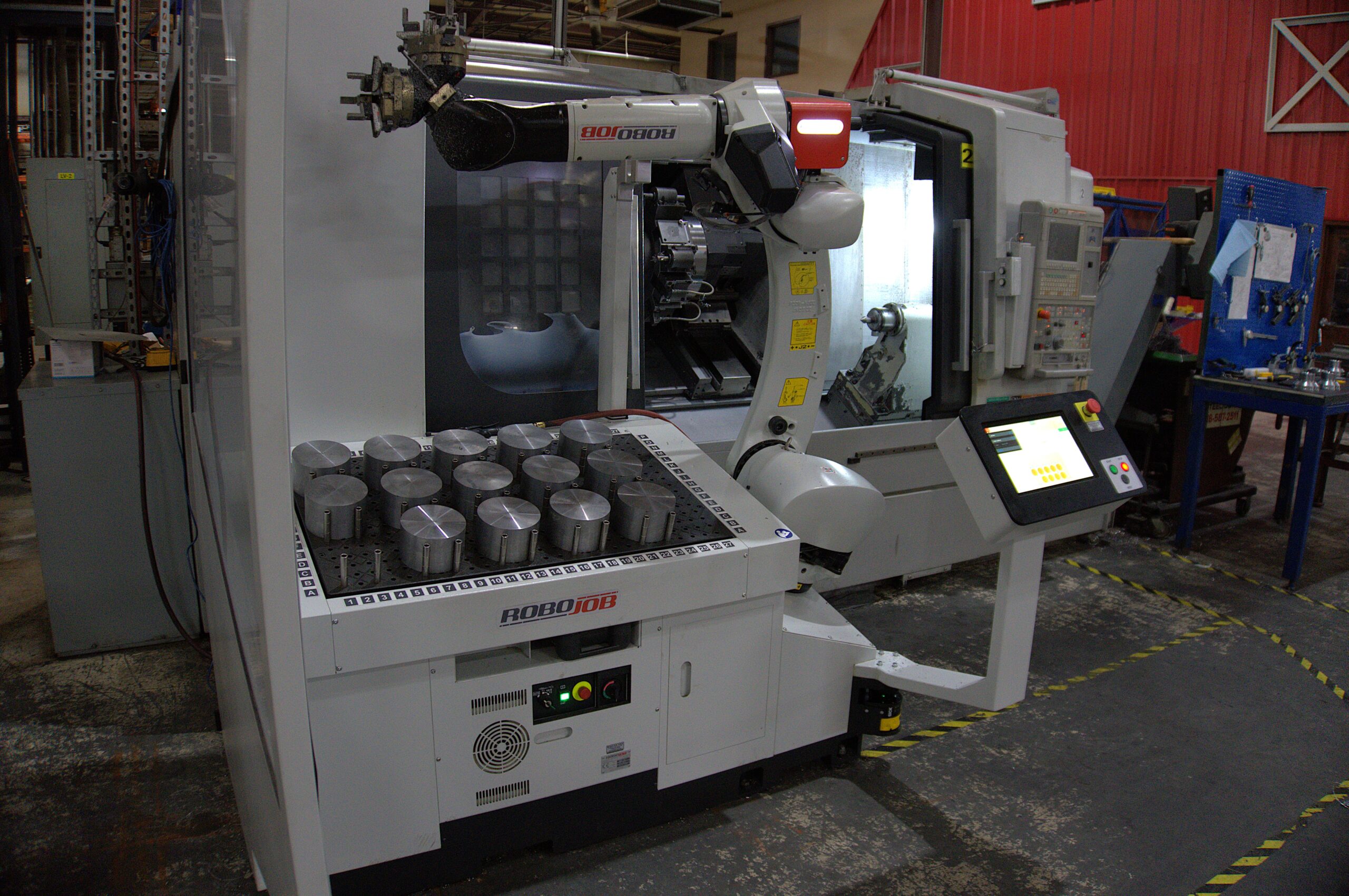
Most shops think inspection is a time problem. At Hill, the real issue was what inspection was blocking. “The biggest cost wasn’t the time spent on inspection. It was the time the spindle wouldn’t turn waiting on inspection.”
Machines sat idle. Operators waited. Work slowed, not because of skill gaps, but because the process depended on manual interpretation before anything could move forward with confidence. On complex parts, the risk increased. Important characteristics could be missed simply because they were buried in the drawing.
The Turning Point: A Demo with High QA
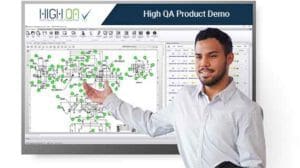
Like most teams, Hill approached change cautiously. During an early demo, they sent a complex drawing with tight tolerances and dozens of characteristics, the kind that normally takes significant time to process. High QA completed it in seconds. “It took like 10 seconds… and we all just sat there in amazement!” That moment reframed the problem. This was not just about saving time. It changed what was operationally possible. “It just saved us thousands of hours a year.”
From Manual Effort to Connected Quality
Before High QA, inspection planning was a major time sink. Teams spent hours per job identifying characteristics and building plans manually. “We were spending hours per job just trying to know what to measure.” This was not value-added work. It was reinterpreting information that already existed in the design. With High QA, that effort dropped from hours to minutes.
More importantly, inspection planning moved upstream. Instead of interpreting requirements during production, plans were created as soon as a purchase order was received. Requirements
were defined early and carried through the entire process. “As soon as we get the PO, it’s a race to delivery… but if we go into it with a good plan, it increases the likelihood of success exponentially.” What changed was not just speed. It was control.
Eliminating Bottlenecks
Across the Floor
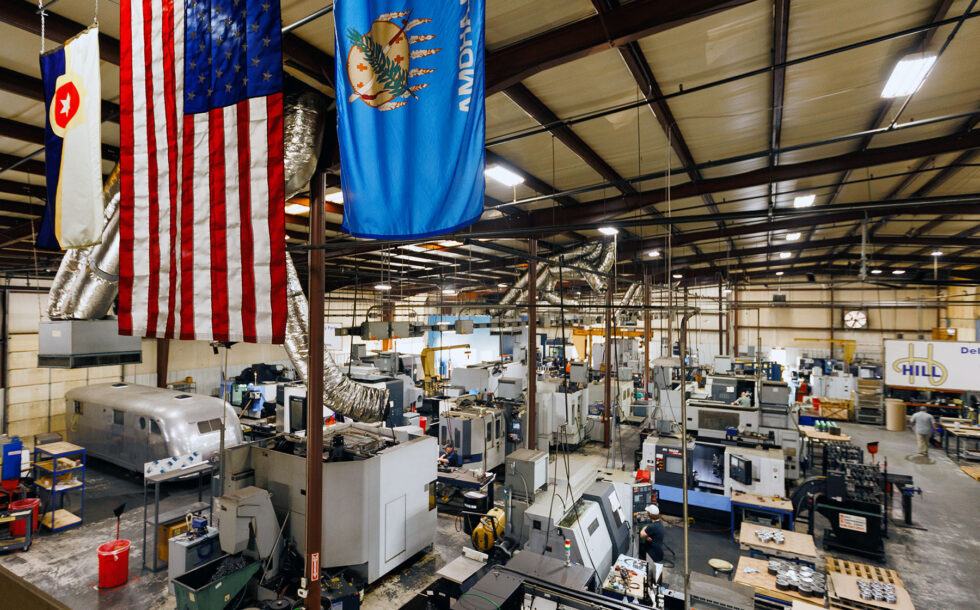
The most immediate impact was the removal of inspection as a production constraint. Instead of parts waiting on validation, teams entered production with clear requirements and completed inspection plans already in place. “Where inspection used to be a bottleneck… now it’s not.” The process also became more efficient to run. What previously required multiple people across steps was reduced to a streamlined workflow.
“Where I used to have two or three people involved… now it’s one per location.” This was not about reducing capability. It was about eliminating rework, reducing handoffs, and allowing the team to focus on execution.
Scaling Without Adding Headcount
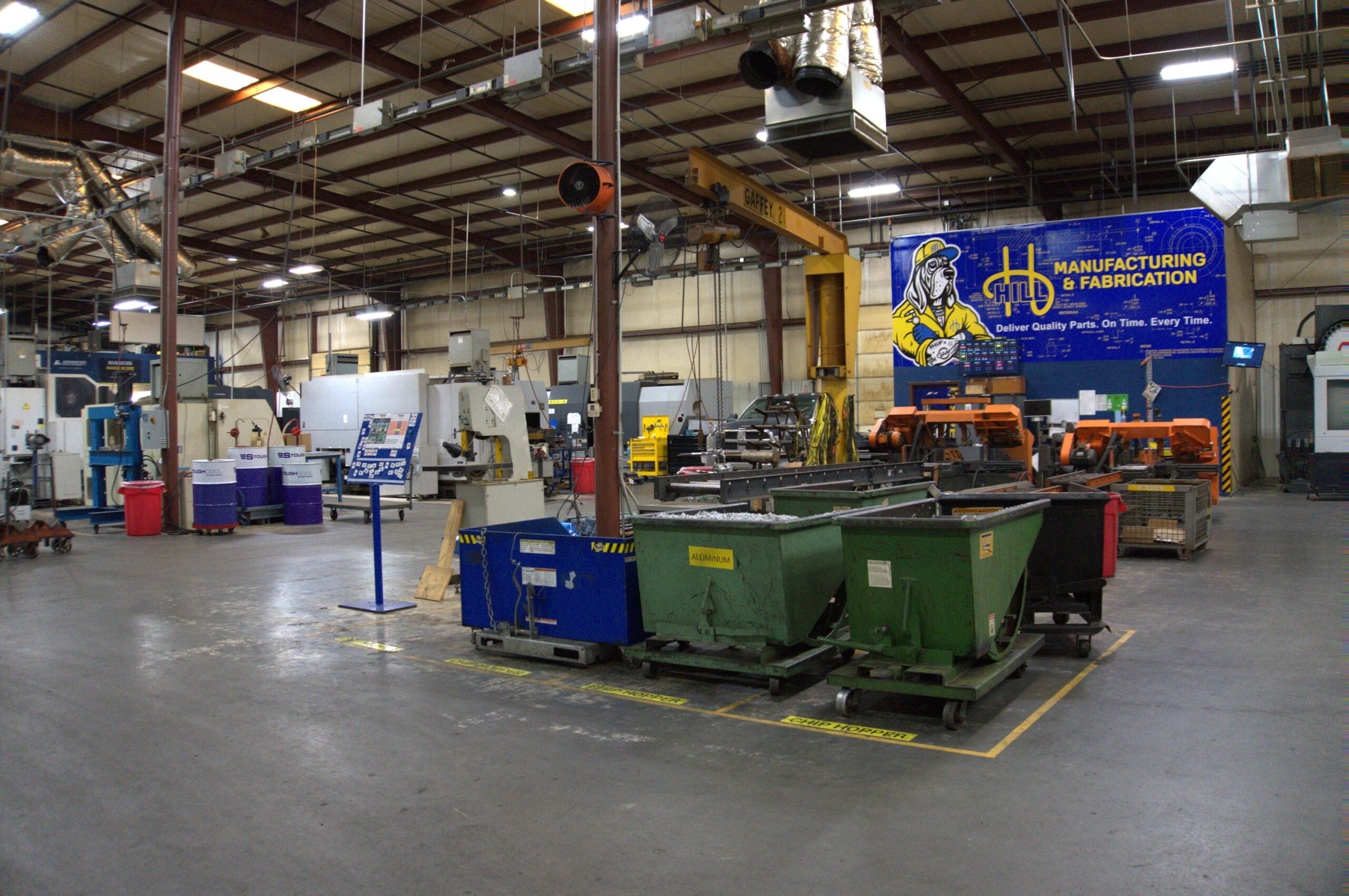
As Hill expanded, adding machines, locations, and taking on more complex work, the quality process scaled with it. Growth did not require proportional increases in staffing or overhead. Because quality was defined upfront, the business avoided the operational drag that typically
comes with scale. “The earlier you can get started, the better. It’s a whole lot easier to build it right than to fix it later.” Looking back, the priority was clear: “I’d have my ERP and my quality system before I even had my first machine.”
Raising the Bar for Customers
The impact extended beyond internal operations. Communication improved. Inspection reports became clearer and more consistent. First articles and PPAPs were delivered with greater confidence. “We’re delivering a more professional experience.” Over time, that consistency
became the standard. “Our customers expect nothing less than what we’re delivering.”
The Takeaway
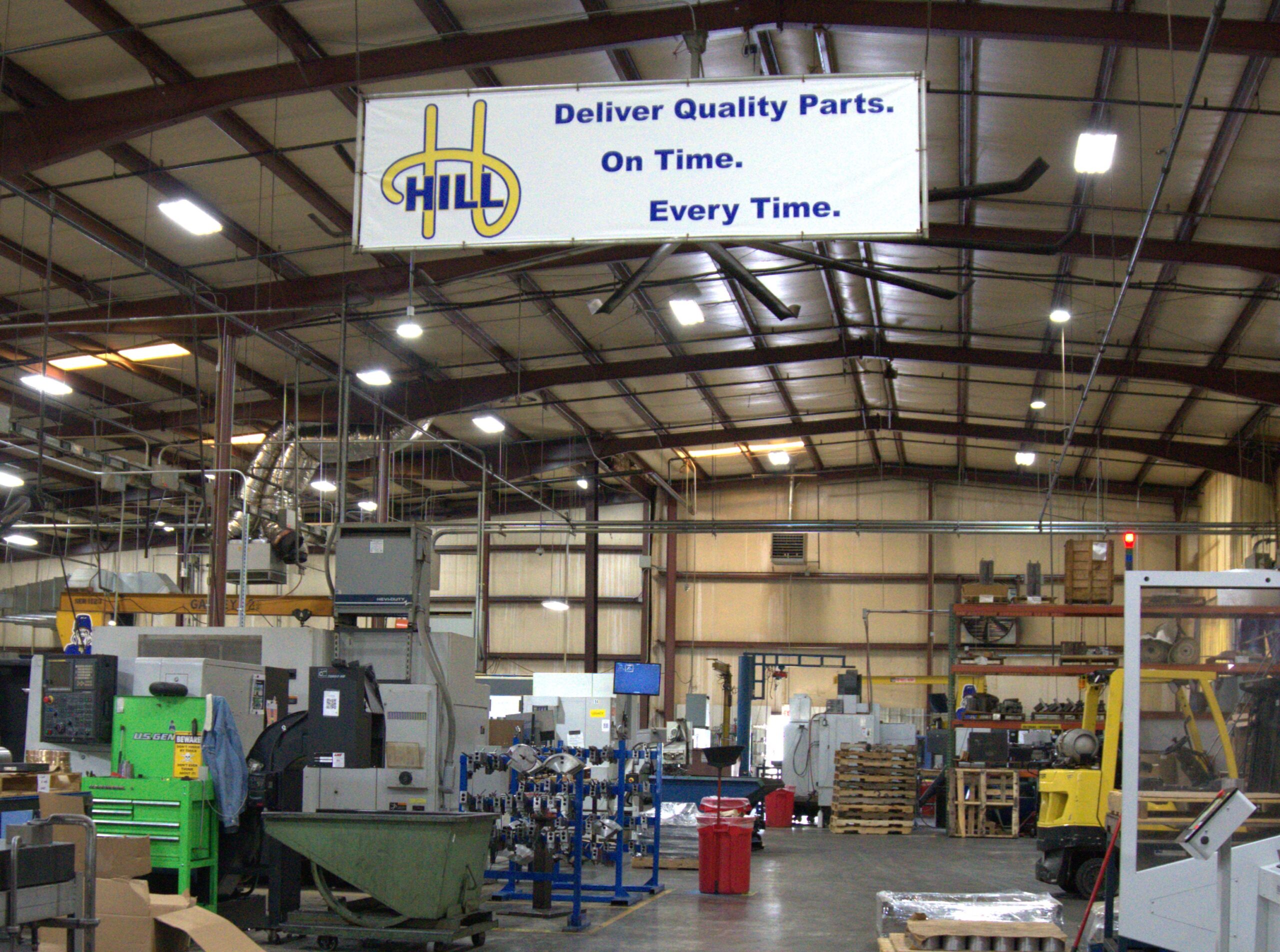
What changed at Hill Manufacturing was not just speed. It was structure. By connecting quality directly to the design and eliminating manual interpretation, High QA removed a layer of friction that had been limiting throughput and increasing risk. The result is a process where requirements are defined early, execution is consistent, and nothing needs to be recreated or second-guessed. When that happens, everything runs with greater speed, confidence, and control.
About High QA
High QA is a manufacturing quality platform that connects design requirements to execution. We make the 2D drawing or 3D model the single source of truth by automatically extracting quality requirements and linking them directly to inspection planning, inspection execution,
NCRs, and quality reporting. This reduces manual interpretation and re-entry across teams and systems, improves traceability, and helps ensure parts are built and verified to spec.